Ectoin
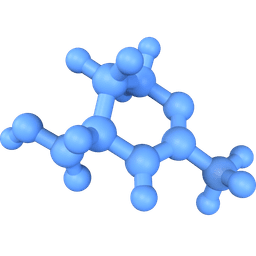
Summary: A well-tolerated hydrating ingredient with limited but encouraging evidence for barrier support and irritated skin, and early lab evidence for protection against UV damage.
Published on: 20/10/2026
Ectoin, also spelled ectoine in the scientific literature, is a cyclic amino acid with the chemical name (S)-2-methyl-1,4,5,6-tetrahydropyrimidine-4-carboxylic acid. It was first identified in 1985 in halophilic (salt-tolerant) bacteria [1,2].
Bacteria, and a small number of archaea and eukaryotes, synthesise ectoin in response to high salinity and extreme growth temperatures, where it acts as a stress protectant [1].
In skincare, ectoin is used primarily as a skin-conditioning and protective ingredient, with research investigating its potential effects on hydration, skin-barrier function and responses to environmental stress [1,2].
Mechanism of Action
Ectoin functions as a compatible solute, meaning that it can accumulate in cells at relatively high concentrations without substantially interfering with normal cellular processes. [2]
Ectoin helps stabilise proteins through its effects on the surrounding water. In aqueous solutions, ectoin is preferentially excluded from the immediate surface of many proteins, leaving them surrounded by a relatively well-hydrated layer of water. This favours compact, folded protein structures over unfolded states, which expose more of the protein's surface to the surrounding solution [2].
Effects on the Skin: Clinical Evidence
Hydration and Skin-Barrier Function
A 2022 systematic review found six clinical studies of topical ectoin in atopic or retinoid dermatitis. Two of them measured hydration or TEWL with instruments. In 30 children with atopic dermatitis, 4 weeks of 7% ectoin cream reduced TEWL but did not change hydration. In adults with retinoid dermatitis, one group used 7% ectoin cream and another used dexpanthenol cream. After one month, hydration had increased more with ectoin (15.1% vs 7.3%) and TEWL had decreased more (23.9% vs 18.2%). The study did not test whether these differences were statistically significant. [1]
In a 2025 study, 30 adults applied creams with 0%, 2% or 5% ectoin to skin treated with a fractional CO₂ laser for 28 days. The 5% cream applied twice daily gave the largest improvements in hydration and TEWL. The cream without ectoin did not change hydration [3].
Inflammation and Skin Irritation
In the same 2022 review, formulations containing 5.5–7% ectoin were associated with improvements in symptoms such as dryness and itching [1].
- Strongest study: The only double-blind study enrolled 65 adults and found a 7% ectoin cream non-inferior to a nonsteroidal comparator cream over 4 weeks.
- Limitations:
- Four of the six studies combined ectoin with other treatment regimens, limiting conclusions about ectoin's independent effects.
- The certainty of evidence ranged from very low to moderate [1].
A 2022 randomised, observer-blind trial in 70 children aged 2–18 years with mild-to-moderate atopic dermatitis compared a cream containing 1% ectoin and 0.1% hyaluronic acid with a vehicle cream over 4 weeks. Severity scores improved more with the active cream, but because the active cream also contained hyaluronic acid, the trial does not isolate the effect of ectoin. [4]
In a randomised, double-blind trial of 50 patients receiving radiotherapy for breast cancer, 7% ectoin cream and 5% dexpanthenol cream both prevented severe radiation dermatitis. The ectoin group had a lower dermatitis grade at week 2, with less pain and itching [5].
These results suggest potential for supporting skin affected by inflammation or treatment-related irritation.
Protection Against UVA-Induced Damage
In laboratory studies on human skin cells, ectoin reduced several types of damage caused by UVA light, including oxidative stress and harm to cell DNA. [6, 7, 8]
One small study in 10 human subjects tested a cream containing ectoin and mannitol alongside sunscreen filters. Skin treated with this combination showed less UV damage than skin treated with sunscreen filters alone. Because the cream also contained mannitol, the study cannot show how much of the effect came from ectoin [9].
These results show protective effects in cells. They do not show that ectoin prevents sun-related skin ageing in people, and ectoin is not a replacement for sunscreen [6, 7, 8, 9].
Safety and Tolerability
Australia's industrial chemicals regulator assessed ectoin as a cosmetic ingredient in 2017. In laboratory toxicology tests, ectoin did not irritate the skin, did not cause allergic skin reactions, showed no potential to damage DNA, and had low toxicity even at high doses. At full strength it was slightly irritating to the eyes, which the regulator did not expect at cosmetic concentrations. The regulator concluded that ectoin poses no unreasonable risk to the public in leave-on skincare products at up to 3% [10].
The same assessment found ectoin chemically stable. It breaks down very slowly in water under acidic, neutral and alkaline conditions, and withstands heat up to about 270 °C before decomposing. [10]
In clinical studies, topical ectoin was well tolerated, including in children. In the 2022 systematic review, 7 of 455 participants stopped treatment because of side effects, mainly burning, tingling or redness. [1] Mild skin reactions can still occur: in the pediatric trial, they were more common with the ectoin cream (23.5%) than with the cream without ectoin (5.7%) [4].
References
- Kauth, M., & Trusova, O.V. (2022). Topical ectoine application in children and adults to treat inflammatory diseases associated with an impaired skin barrier: A systematic review. Dermatology and Therapy, 12(2), 295–313. https://pmc.ncbi.nlm.nih.gov/articles/PMC8850511/
- Czech, L., Hermann, L., Stöveken, N., et al. (2018). Role of the extremolytes ectoine and hydroxyectoine as stress protectants and nutrients: Genetics, phylogenomics, biochemistry, and structural analysis. Genes, 9(4), 177. https://pmc.ncbi.nlm.nih.gov/articles/PMC5924519/
- Załęska, I., Goik, U., Goik, T., & Wilkus, K. (2025). The influence of ectoine on the skin parameters damaged by a CO₂ laser. Molecules, 30(11), 2470. https://www.mdpi.com/1420-3049/30/11/2470
- Alexopoulos, A., Dakoutrou, M., Nasi, L., et al. (2023). A randomized, observer-blind, vehicle-control, multi-center clinical investigation for assessing the efficacy and tolerability of a 1% ectoine and hyaluronic acid 0.1%-containing medical device in pediatric patients with mild-to-moderate atopic dermatitis. Pediatric Dermatology, 40(1), 78–83. https://pubmed.ncbi.nlm.nih.gov/36038984/
- Abd Elazim, N.E., Awad, S.M., El-Naggar, M.S., & Mohamed, R.H. (2023). Topical ectoin versus topical dexpanthenol for managing acute radiodermatitis associated with breast cancer radiotherapy: A randomized double-blind study. Dermatitis. https://doi.org/10.1089/derm.2023.0055
- Buenger, J., & Driller, H. (2004). Ectoin: an effective natural substance to prevent UVA-induced premature photoaging. Skin Pharmacology and Physiology, 17(5), 232–237. https://pubmed.ncbi.nlm.nih.gov/15452409/
- Hseu, Y.C., Chen, X.Z., Vudhya Gowrisankar, Y., et al. (2020). The skin-whitening effects of ectoine via the suppression of α-MSH-stimulated melanogenesis and the activation of antioxidant Nrf2 pathways in UVA-irradiated keratinocytes. Antioxidants, 9(1), 63. https://pmc.ncbi.nlm.nih.gov/articles/PMC7022695/
- Cheng, W., An, Q., Zhang, J., et al. (2022). Protective effect of ectoin on UVA/H₂O₂-induced oxidative damage in human skin fibroblast cells. Applied Sciences, 12(17), 8531. https://www.mdpi.com/2076-3417/12/17/8531
- Fontbonne, A., Teme, B., Abric, E., et al. (2024). Positive and ecobiological contribution in skin photoprotection of ectoine and mannitol combined in vivo with UV filters. Journal of Cosmetic Dermatology, 23(1), 308–315. https://doi.org/10.1111/jocd.15893
- National Industrial Chemicals Notification and Assessment Scheme (NICNAS). (2017). Public report STD/1613: 4-Pyrimidinecarboxylic acid, 3,4,5,6-tetrahydro-2-methyl-, (4S)- (INCI name: Ectoin). Australian Government Department of Health. Full report (PDF)