Farnesol
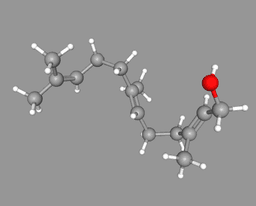
Summary: A substance that offers antimicrobial benefits but poses a risk of skin sensitization
Published on: 29/03/2025
Farnesol (C₁₅H₂₆O) is a naturally occurring substance found in essential oils such as rose, jasmine, and neroli. In cosmetics, it is primarily used as a fragrance compound and is listed in the EU’s CosIng database under “deodorant” and “perfuming” functions. Beyond its aromatic appeal, farnesol exhibits bioactive properties—most notably antimicrobial effects—which have drawn interest for dermatological applications.
Antimicrobial and Antifungal Properties
Farnesol has been shown to inhibit the growth of several human skin pathogens, especially those associated with biofilm formation and chronic infections. A 2023 study demonstrated that a farnesol emulsion was effective against biofilms of Klebsiella pneumoniae, Enterococcus faecium, and Enterobacter cloacae on ex vivo human skin, suggesting a potential role in topical antimicrobial formulations. These effects, however, have only been tested in controlled laboratory environments and not in clinical skincare products [1]. Another 2024 publication explored farnesol's use against Acinetobacter baumannii, a multidrug-resistant skin pathogen, showing that it significantly impaired biofilm development and microbial viability [2].
Farnesol also shows potent antifungal effects, particularly against Candida albicans [3]. While not yet used in commercial antifungal skin treatments, these findings support further development.
Allergenicity and Safety Concerns
Despite its benefits, farnesol is a well-documented contact allergen. It is one of the 26 fragrance allergens that must be declared on cosmetic labels in the European Union. Its structure allows it to bind to skin proteins, leading to sensitization in some individuals. Repeated exposure may result in allergic contact dermatitis, particularly in those with existing skin conditions or sensitivities [4].
In a dermatological risk assessment framework, farnesol is categorized as a moderate to strong sensitizer. Therefore, its inclusion in skincare products—especially leave-on formulations—should be limited to low concentrations, and preferably used in rinse-off products or paired with allergen mitigation strategies.
References
-
Tan, L., Ma, R., Katz, A. J., & Levi, N. (2024). Farnesol emulsion as an effective broad-spectrum agent against ESKAPE biofilms. Antibiotics, 13(8), 778.
https://www.ncbi.nlm.nih.gov/pmc/articles/PMC11352207 -
Tan, L., Ma, R., Katz, A. J., & Levi, N. (2024). Farnesol repurposing for prevention and treatment of Acinetobacter baumannii biofilms. Biofilm, 7, 100198.
https://pubmed.ncbi.nlm.nih.gov/38706984 -
Shen, T., Tian, B., Liu, W., Yang, X., Sheng, Q., Li, M., Wang, H., Wang, X., Zhou, H., Han, Y., Ding, C., & Sai, S. (2024). Transdermal administration of farnesol-ethosomes enhances the treatment of cutaneous candidiasis induced by Candida albicans in mice. Microbiology Spectrum, 12(4), e0424723.
https://pubmed.ncbi.nlm.nih.gov/38415658 -
Farnesol – An Overview. ScienceDirect Topics. https://www.sciencedirect.com/topics/agricultural-and-biological-sciences/farnesol