Some By Mi | Galactomyces Glutathione Brightening Cream
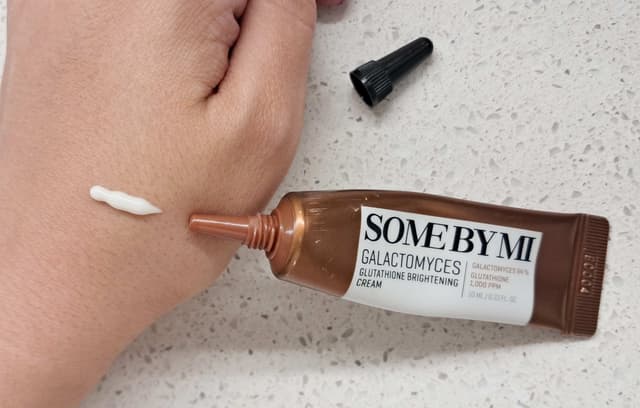
I really wanted to love this one. The formula contains a serious amount of good ingredients. You get a high concentration of galactomyces ferment (64.69%), plenty of humectants, panthenol, beta-glucan, squalane, a full ceramide complex with cholesterol and phytosphingosine, plus glutathione and a vitamin C derivative. It's the kind of ingredient list that makes you think you're in for a fantastic brightening, barrier-supporting product. In use, it was... ok. The texture is pleasant, layers well and feels comfortable on the skin. That said, I didn't notice much in terms of brightening. If my skin became more radiant, the effect was subtle enough that it never stood out. To be fair, I'm used to stronger vitamin C serums, so my expectations for visible brightening are probably higher than average. My biggest issue, though, is the fragrance. It's not just that the formula contains fragrance; it's that, judging by the scent that strikes you as soon as you put it on, it probably contains a lot of it. The scent is not only strong, but it lingers long enough that I found myself actively avoiding the product. I never experienced any irritation or sensitivity while using it, but I also didn't apply it when my skin was more reactive. Ironically, the fragrance bothered me far more than my skin ever did. Because of that, despite supposedly being a barrier supporting cream, I never felt comfortable reaching for it when my skin barrier was compromised after using stronger retinoids. I didn't want to take the risk. What confuses me is that this product is marketed toward sensitive skin. If that's your target audience, why add irritating fragrance ingredients so prominently? The underlying formula is already excellent—it has soothing ingredients, barrier supporting lipids and a thoughtful blend of antioxidants. It simply didn't need a perfume-like scent. That's what makes this product so frustrating. It isn't a bad formula at all. In fact, it scores well on our classifier - that's how many good ingredients it has. But the aggressive fragrance takes away from the experience and makes it harder to recommend, especially to the people it's supposedly designed for. If the brand released a fragrance-free version tomorrow, I'd be much more enthusiastic about recommending it. As it stands, I won't be repurchasing.
Tocobo | Multi Ceramide Cream
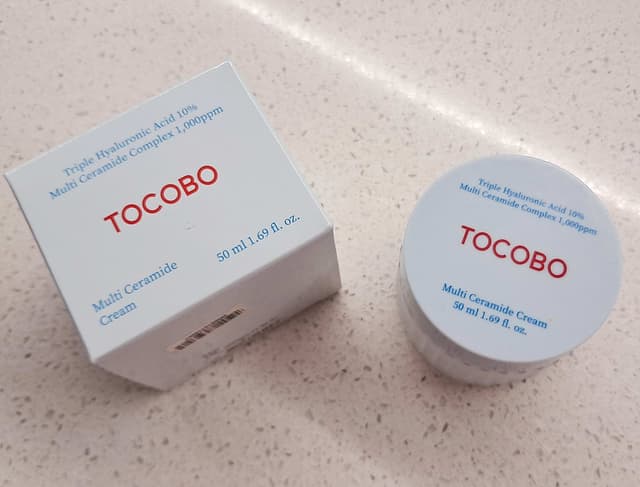
This moisturizer is marketed as a barrier repair, ceramide based cream, so I decided to incorporate it into my nighttime routine once I upped my retinol potency. It felt like a safe choice for when my skin needs a bit of reassurance after stronger actives. The texture is exactly what I expect from a ceramide cream: balmy, almost waxy, and more substantial than your average moisturizer. It doesn't feel particularly elegant going on, but a little bit goes a long way, and it creates a comfortable layer over the skin. In terms of results, it is what you expected it to be: it addresses any sensitivity by soothing the skin. It's not brightening, and I wouldn't describe it as plumping either, but what it does do is keep my skin comfortable and support my barrier, which is exactly what I want it for. The ingredient list reflects that focus. The formula is built around a good mix of humectants, emollients and barrier-supporting ingredients. Glycerin, three forms of hyaluronic acid, beta-glucan and panthenol help attract and retain moisture, while squalane, shea butter and several fatty alcohols provide lasting nourishment. The real highlight, though, is the barrier complex: five ceramides (NP, NS, AP, AS and EOP), cholesterol and phytosphingosine. Healthy skin barriers naturally contain these lipids, so this falls very much in line with the "repair" claim. TOCOBO also highlights its 10% Triple Hyaluronic Acid Complex and 1,000 ppm (0.1%) Multi Ceramide Complex. Those claims sound more informative than they actually are. The percentages refer to proprietary complexes, not necessarily to the pure ingredients themselves. The "10% Triple Hyaluronic Acid Complex", for example, doesn't automatically mean the cream contains 10% hyaluronic acid. The same applies to the ceramide complex: the 0.1% refers to the blend as a whole, not necessarily to the ceramides alone (note: while 0.1% may sound low, ceramides are typically used at fractions of a percent and don't need to be present in large amounts to be effective). Without knowing the exact composition of either proprietary blend, those numbers don't tell us very much. What does matter is the ingredient list itself, which includes three forms of hyaluronic acid alongside five ceramides, cholesterol and phytosphingosine—a combination that's much more meaningful than the marketing percentages. The formula also contains fragrance and fragrance allergens. In fairness, I can barely detect the scent, and it hasn't caused any issues for my skin. That said, I still think they'd be better left out. A barrier cream is often the sort of product people reach for when their skin is already feeling compromised, so there's not much to gain from adding fragrance in the first place. My main complaint, though, is the packaging. I simply don't like moisturizers in jars. They're less practical, less hygienic, and I'd almost always choose a tube or pump if given the option. I still prefer, for the reasons just mentioned, the Cerave moisturiser as my main barrier repair cream. But all in all, this is not a bad choice.
Medik8 | Crystal Retinal 3
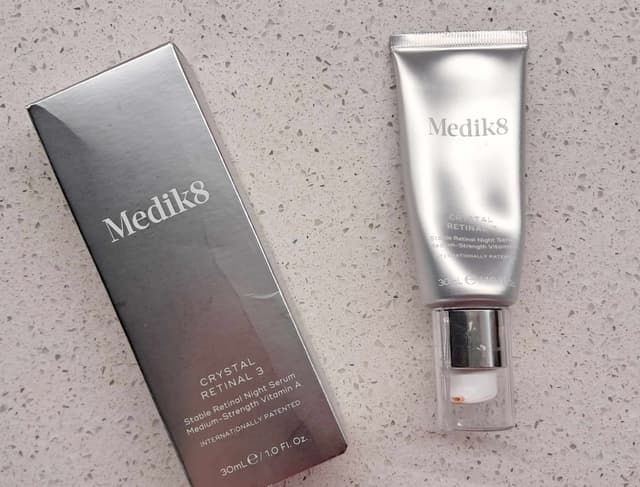
Crystal Retinal 3 has been my nightly retinoid for the past few weeks, and using it consistently has been remarkably uncomplicated. The cream is on the thicker side, but it doesn't feel too heavy. It has a buttery texture and spreads easily. It layers well with the rest of my evening routine and never feels like too much. When I first started using it, I noticed a bit of sensitivity on the tops of my cheeks. Following it with a ceramide-based moisturizer solved that completely though, and I've been able to use it every night since without any irritation. With consistent use, my skin was cleared up (and stayed that way), texture improved, and overall it looks smoother and glowier. The improvements were gradual, but it didn't take long for me to start noticing them, and after a while I just realised my skin had simply been looking consistently good. The formula is one of the reasons I think it's so easy to stick with. Retinal is, of course, the star ingredient. Compared to retinol, it only needs one conversion step to become retinoic acid, making it both more potent and generally faster-acting. Medik8 has paired it with plenty of ingredients that help offset the downsides typically associated with retinoids: glycerin, squalane and sodium hyaluronate provide hydration, while a blend of emollients helps support the skin barrier. There are also antioxidants, including two vitamin C derivatives, cloudberry seed oil and moringa seed oil. None of these are likely to outshine the retinal, but together they make for a well-balanced formula that's comfortable enough to use every night. From the Crystal Retinal line, this is a relatively low-concentration retinal serum (it goes up to 24). At this point, I feel ready to move up to the next strength. Even if I reach the final stage, I still don't think I'll ever love Crystal Retinal quite as much as Medik8's r-Retinoate Intense Youth Activating Cream. That product had some sort of magic in it that I still can't quite explain. However, Crystal Retinal is significantly more affordable, which makes it much easier to justify buying again.
Celimax | Pore + Dark Spot Brightening Care Sunscreen SPF 50
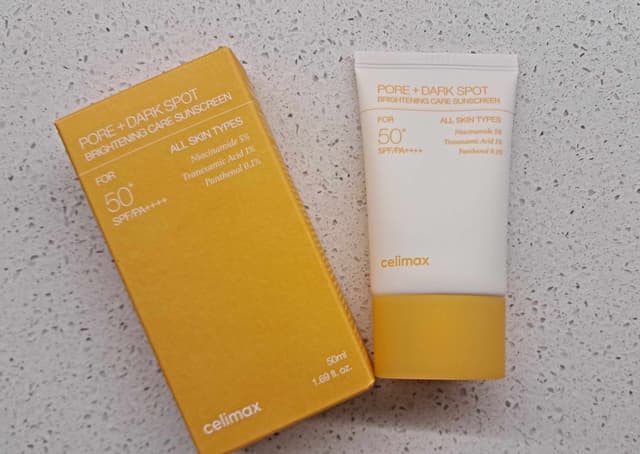
The texture of this sunscreen once on the skin is what impressed me first. It doesn't feel like a sunscreen at all. Instead of that occlusive, slightly suffocating finish that so many high-protection formulas have, this applies like a lightweight moisturizer. It spreads easily, disappears into the skin, and after a minute I completely forget I'm wearing SPF 50+. The ingredient list is also well thought out. It combines four modern UV filters, frequently seen in Korean beauty — Uvinul A Plus, Uvinul T150, Tinosorb M, and Iscotrizinol — to provide broad-spectrum protection without relying on older filters that often leave that greasy finish. On top of that, it includes a generous amount of niacinamide, high on the ingredient list, alongside tranexamic acid and panthenol. Tranexamic acid works by interrupting one of the signals that tells melanocytes to overproduce pigment — that's the actual mechanism behind the dark spot claim. Humectants like propanediol, butylene glycol, glycerin, and pentylene glycol help maintain hydration, while the silicone and ester blend gives it that elegant, almost weightless feel. What surprised me most, though, was how it behaved on my skin over the course of the day. Sunscreens have always been one of the easiest ways for me to end up with clogged pores, especially during long, hot summer days. This is one of the first sunscreens where I felt the opposite was happening. The niacinamide is likely doing real work here — it regulates sebum production and calms inflammation, both of which are directly tied to how prone pores are to getting congested in the first place. It's not just a "brightening" ingredient on this label, it's probably also the reason my skin wasn't fighting the sunscreen all day. It's not completely fragrance-free: the formula contains spearmint (Mentha viridis) extract. It's near the end of the ingredient list, so the concentration is probably low, and I didn't notice any irritation (and honestly, didn't notice any scent either), but it's worth mentioning if your skin is extremely sensitive to botanical extracts. I didn't think I'd find another sunscreen I'd love as much as my Paula's Choice favourites, but this one earns a place right alongside them.
Haruharu Wonder | Black Rice Moisture Deep Cleansing Oil
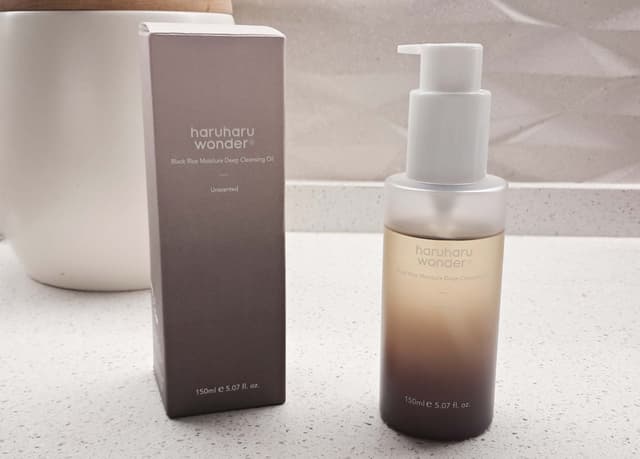
This is an oil cleanser with a fluid texture that emulsifies into a milk the moment it contacts water. Application is easy and removal is even easier: no residue, no film left behind, which is the main reason I gravitate toward oil cleansers to remove makeup. No muslin cloth or double cleanse required to get rid of the oily feel. The ingredient list is short: nine ingredients, no fragrance, no essential oils. Rice bran oil leads the list, doing the bulk of the emollient work, and acting as a skin-conditioning agent. The rest is a well-chosen blend of jojoba and macadamia oils, both structurally close to skin's own sebum and good for reinforcing the barrier, and sunflower oil, a source of linoleic acid. That linoleic acid is likely what actually earns the "good for acne-prone skin" claim, since acne-prone skin tends to run low on it, and unlike the oleic-heavy oils, it doesn't clog pores. Tocopherol is in there too as an antioxidant, though at this position in the list it's more of a stabilizer for the formula than a meaningful skin benefit. Compared to the Shiseido oil cleanser I used before (and used to love), this one leaves skin noticeably more comfortable and hydrated afterward rather than just clean. I also find it more tolerable on days when my skin is reactive. No tightness, no residue, no film - just comfort. Overall, an easy repurchase. Simple formulation, it's effective, and my skin loves it.
Tatcha | The Brightening Serum
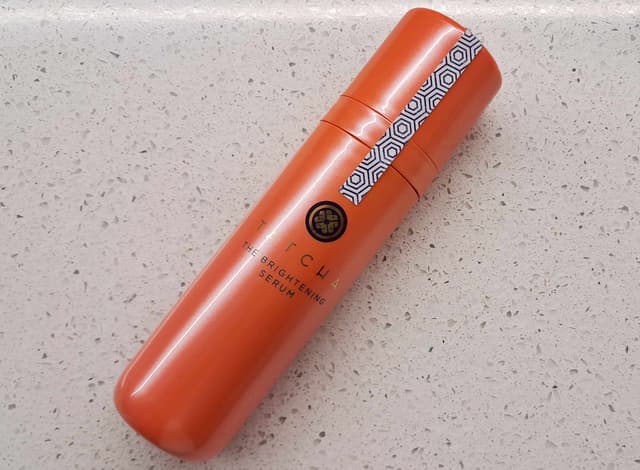
Tatcha’s Brightening Serum is built around a mix of rice ferment filtrate, humectants, antioxidants, and a vitamin C derivative called ascorbyl glucoside. Ascorbyl glucoside is one of the more stable and less irritating vitamin C derivatives, but it is also noticeably milder when it comes to visible brightening effects. For something called a “brightening serum,” I expected more. This is too subtle. I’m all for the supporting ingredients. ferments, licorice, and green tea extract are soothing and could help with potential irritation, and ferulic acid and other botanical extracts are playing an antioxidant role. The formula is extremely fluid, watery and runny, feeling more like a toner or essence than a serum — but it’s not uncomfortable or hard to apply. In practice, it behaves more like a hydrating essence than a brightening treatment. There is no immediate glow or visible boost in radiance after application — which is typically something I always notice with vitamin C serums. Over time, the skin may look slightly more even or healthy, but the effect is quiet enough that it can leave you wondering whether the product is actively brightening the skin. I’m not entirely sure it is. The formula also contains several essential oils and fragrance components, including bergamot, lemon, eucalyptus, and lavender oils. Seeing those (potentially irritating, and arguably pointless beyond scent) ingredients is disappointing, particularly when the brand seems to have chosen a “gentle on the skin” route for the guest of honour, vitamin C. That said, the scent itself is extremely discreet in use. Unless you’re actively looking for it, you barely notice it. Overall, this doesn’t really behave like a brightening serum. It’s a lightweight, hydrating antioxidant essence that happens to have a vitamin C derivative added in. There’s no real immediate radiance, and even with consistent use the results feel minimal. Between the muted efficacy and the unnecessary fragrance/essential oil load, its safe to say you can skip this in favor of a better vitamin C serum.
Origins | Clear Improvement Active Charcoal Mask
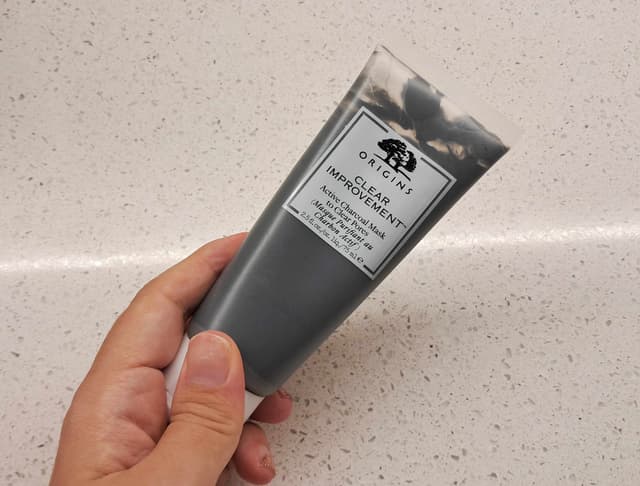
Origins Clear Improvement Charcoal Mask is essentially a classic clay mask dressed up as a “detox” treatment. The core of the formula is a mix of kaolin, bentonite, and montmorillonite, which are all oil-absorbing clays. These are doing the real work: binding excess sebum and loosening the material sitting at the opening of pores. The advertised charcoal powder is present, but it plays a supporting role at best. It contributes to the whole “draws out impurities” narrative, but functionally, the clays are carrying the product. In use, the mask behaves as expected. It tightens as it dries — that familiar clay mask feeling — but never becomes uncomfortable. Once removed, it is not overly stripping - in fact, skin feels somewhat moisturized. The formula includes humectants like glycerin and butylene glycol which likely explains why it rinses off without leaving the skin dry or tight. After removal, the skin feels smoother, and I feel a slight improvement/reduction in whiteheads. Clays are not treating the underlying cause for acne, but they do provide visible, short-term improvement. That, ultimately, is the role of this mask. It is not a treatment product, despite the “clear pores” messaging. It is pore maintenance — a periodic reset that makes the skin look a bit cleaner and more refined for a while. Overall, this is a well-executed clay mask. It delivers the expected oil-absorbing and smoothing effects without tipping into harshness. Just don’t give too much credit to the charcoal.
Some By Mi | Retinol Intense Reactivating Serum
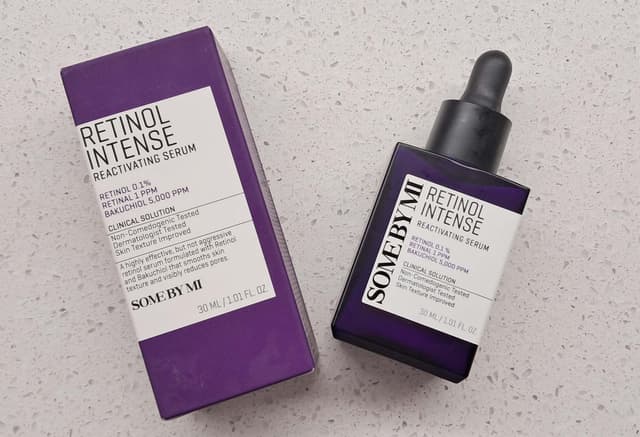
Some By Mi’s Retinol Intense Reactivating Serum is built around what the brand calls a retinol complex: retinol (0.1%), bakuchiol (0.5%), and a trace amount of retinal. In practice, the retinol is doing most of the work here. At 0.1% it sits in the moderate range for cosmetic retinoids, meaning it can gradually improve skin texture and fine lines without being overly aggressive. Bakuchiol appears at a meaningful level and likely plays a supporting role, while the retinal is present in such a tiny amount that it is unlikely to contribute much beyond the marketing narrative. The formula itself is clearly designed to make the retinol easy to tolerate. Ingredients like niacinamide, panthenol, beta-glucan, ceramide NP, and several centella components provide barrier support and soothing properties. In addition, the serum includes a long list of antioxidants and plant extracts The serum is very fluid, slightly milky, and spreads effortlessly on the skin. It absorbs quickly and feels very lightweight. In use, the product is extremely comfortable. It does not sting, irritate, or sensitize the skin, which is not always the case with retinol products. That being said, the results are also consistent with that gentle approach. Improvements are subtle rather than dramatic. I like my retinol serums to have a bit more "punch", but with consistent use, the skin gradually looked a little smoother and more even over time. Overall, this serum behaves more like a soothing serum infused with retinol, than an actual retinol serum. It is easy to use, well tolerated, and suitable for people who want to introduce retinol without dealing with significant irritation. Those looking for faster or more dramatic results may find it too mild though.
Ultrasun | SPF 30 Face Moisturising anti-aging sun protection
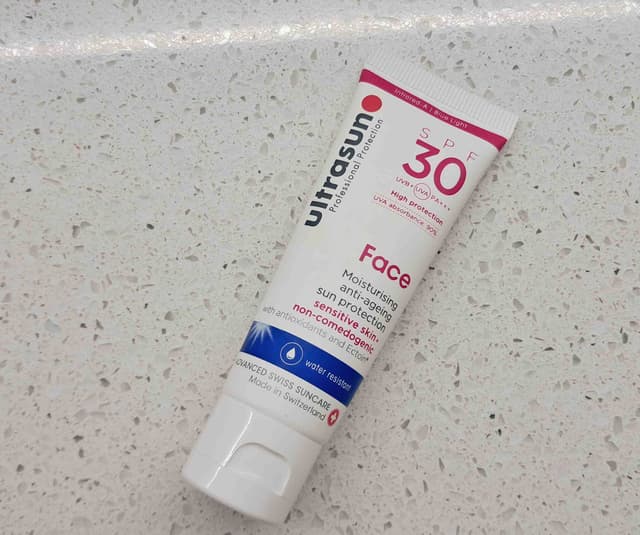
This sunscreen has a particularly strong combination of multiple modern UV filters (Tinosorb S, Uvinul A Plus, Uvinul T150 and Tinosorb M), alongside the classic titanium dioxide (which is particularly relevant for one of Ultrasun's claims, discussed below). In practice, this creates a hybrid sunscreen, mixing mineral and chemical filters to achieve broad, photostable protection across both UVA and UVB. The texture reflects that filter mix: it is exponentially more fluid and easy to spread than traditional sunscreens (which makes it simple to apply a proper amount) and it is noticeably lighter, but it still retains a bit of that classic sunscreen character - both in finish and in scent. There is a slight film on the skin and a protective feel that never quite disappears. It is not greasy, but it is also not one of those barely-there cosmetic sunscreens. On my bottle's packaging, Ultrasun also highlights blue light protection in its marketing, pointing specifically to the presence of titanium dioxide (seems like the blue light reference was removed from more recent packaging). Mineral particles like titanium dioxide can scatter part of the visible light spectrum, including some high-energy visible light often referred to as blue light. In practice, this effect exists but blue light protection is nowhere near as important as UV protection, and the claim looks more like it's an attempt to capitalize on a skincare trend using a bonus property of the mineral filter rather than a defining feature of the sunscreen. Beyond the filters, the formula includes a few supportive ingredients such as ectoin, squalane, and a few antioxidants. These add some environmental stress protection and help the formula feel a little more like skincare. The sunscreen is straightforward and reliable. The fluid texture makes application easy, and the formula feels stable on the skin - although not necessarily super moisturising, it's certainly not drying, and works well under makeup.
Beauty of Joseon | Revive Serum Ginseng + Snail Mucin
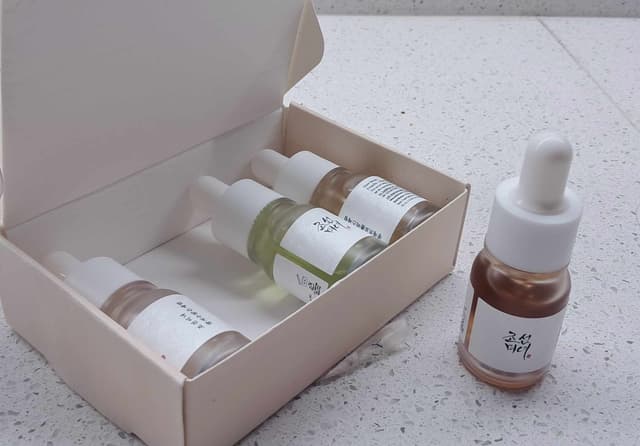
Beauty of Joseon’s Revive Serum is meant to be a repair serum that “restores damaged skin” and "improves wrinkles". The star ingredient the brand calls snail mucin appears in the INCI list as snail secretion filtrate, which is the filtered secretion produced by snails. In cosmetic formulations it behaves mostly as a hydrating, film-forming ingredient rich in polysaccharides and glycoproteins, and is often used in products aimed at barrier support or post-irritation care. The rest of the formula reinforces that direction. There is a good base layer of humectants — glycerin, propanediol and several forms of hyaluronic acid — with niacinamide contributing to extra barrier support. The other main ingredient of the formula, panax ginseng root water and extract, together with other supporting extracts like centella asiatica and medicinal mushrooms, mainly contribute antioxidant and soothing properties rather than anything that would dramatically change skin structure. Like most Beauty of Joseon serums, this one is extremely comfortable to use. It absorbs quickly, never stings, and actually feels quite nice when the skin is a little sensitized or irritated. If the goal is simply to apply something calming and hydrating, the formula does its job well. Where the marketing starts to drift away from reality is with the wrinkle improvement claims. Despite that promise, the formula is essentially a gentle repairing and hydrating serum. Hydration can temporarily make skin look smoother, but there is nothing here that would realistically produce visible wrinkle improvement. It's not a bad product by any means. The serum feels good, is soothing, and plays nicely with sensitive skin. But beyond that, the effects are modest. If you want a comfortable hydrating layer, it works perfectly well. But if you are hoping for wrinkle improvement, you'd better stick with a retinol serum.